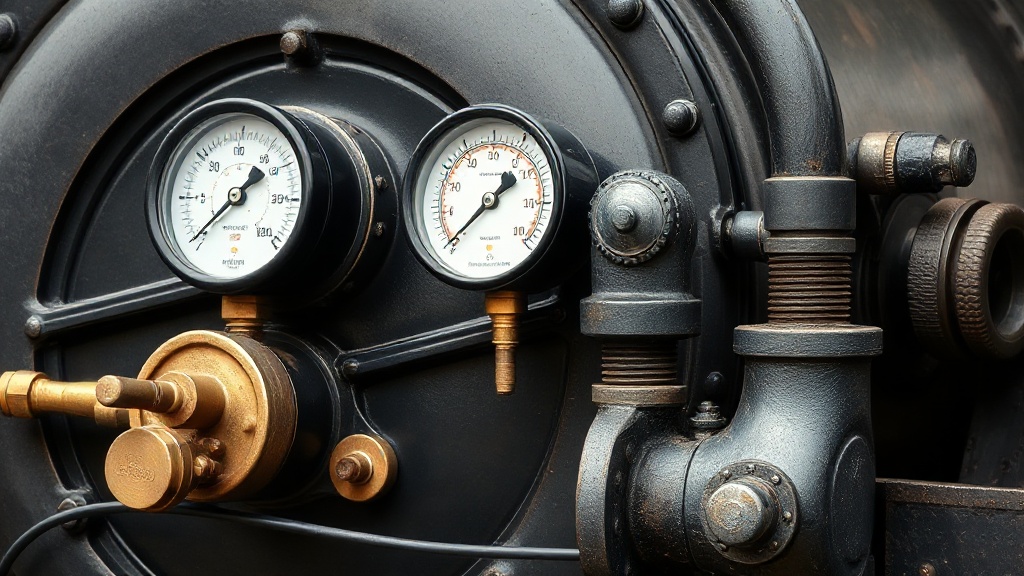
The Boiler Is the Risk
A steam locomotive is, at its core, a boiler on wheels. The boiler is a pressure vessel that converts fuel and water into the high-pressure steam that drives the engine. It is also the single most hazardous component on the locomotive. When a boiler fails catastrophically, the energy released can be enormous, with the potential for serious injury, loss of the locomotive, and damage to surrounding property. For that reason, boiler and machinery insurance is not an optional add-on for a steam operator — it is one of the most important coverages on the policy.
Steam Locomotive Insurance, a division of Contractors Choice Agency, works with heritage steam operators to place coverage that reflects how these machines are actually built, inspected, and run. This article explains what boiler and machinery coverage does, how it intersects with federal inspection requirements, and why the right program matters.
What Boiler and Machinery Coverage Actually Covers
Boiler and machinery insurance — sometimes called equipment breakdown coverage — responds to sudden and accidental physical damage caused by the failure of the boiler and connected machinery. For a steam locomotive that can include:
- Boiler explosion or rupture of the pressure vessel
- Cracking or failure of staybolts, flues, tubes, and the firebox sheets
- Sudden mechanical breakdown of pumps, injectors, and other appliances
- Resulting damage to the locomotive and to surrounding property
- In many programs, the cost of expediting repairs to get the machine back in service
It is important to understand what this coverage is and is not. Ordinary wear, gradual deterioration, and the routine maintenance that every steam locomotive requires are generally not insured losses — they are operating costs. The coverage exists for the sudden and accidental event: the unexpected failure, not the predictable maintenance event. Your agent can help you understand exactly where that line falls in your program.
FRA Part 230: The Federal Standard
Steam locomotives operated in the United States are inspected and maintained under FRA Part 230, the Federal Railroad Administration's standard for the inspection and maintenance of steam locomotives. Part 230 is detailed and demanding. It sets out:
- Daily inspections before the locomotive is placed in service
- Periodic inspections at defined intervals
- Annual inspections
- The major periodic inspection tied to the locomotive's service days
- Requirements for boiler pressure testing, including hydrostatic testing
- Recordkeeping that documents the locomotive's entire inspection history
Compliance with Part 230 is not just a regulatory obligation — it is central to how a steam operation manages risk, and underwriters will want to see that an operator's inspection program is in good order. A well-documented Part 230 history is one of the strongest signals an operator can present.
The 1472-Day Cycle and Hydrostatic Testing
One of the defining features of steam locomotive maintenance is the major periodic inspection, frequently described in terms of the 1472 service-day limit — roughly equivalent to fifteen years of service time. At that point the boiler must be opened up for a thorough inspection. Flues and tubes are typically removed, the interior of the boiler is examined, and the pressure vessel is subjected to testing, including hydrostatic testing, in which the boiler is filled with water and pressurized to confirm its integrity.
This major inspection is a significant undertaking. It can take a locomotive out of service for an extended period and represents one of the largest maintenance investments in the life of the machine. Where an operator sits in this cycle has a direct bearing on the locomotive's condition, its availability, and how its boiler risk is evaluated. It is worth discussing your locomotive's position in the cycle with your agent, because a freshly inspected boiler and a boiler nearing the end of its ticket present very different pictures.
Firebox, Fuel, and Fire Risk
Beyond the pressure vessel itself, the firebox and the combustion side of the locomotive carry their own exposures. Coal-fired and oil-fired locomotives each present distinct hazards in how fuel is stored, handled, and burned. Hot ash, clinker, and embers must be managed safely, both on the locomotive and in the ash pit. A poorly managed firebox or ash-handling process is a fire risk in the enginehouse and out on the line. These combustion-side exposures sit alongside the boiler coverage and inform the broader property and liability program.
Valuation: Insuring an Irreplaceable Machine
A restored steam locomotive cannot simply be replaced by ordering a new one. Its value reflects original construction, decades of restoration labor, fabricated and donated parts, and historical significance. A standard depreciated valuation will badly understate what it would actually cost to repair or rebuild the machine after a serious loss. This is why agreed-value or stated-value approaches, supported by good documentation and ideally a professional appraisal, are so important for steam equipment. Take the time with your agent to value the locomotive realistically before a loss, not after.
Putting It Together
Boiler and machinery coverage works best as part of an integrated program — coordinated with your rolling stock, property, and liability coverages so that a single boiler event does not fall through a gap between policies. A steam locomotive is an extraordinary machine, and protecting it requires an insurance program built by people who understand pressure vessels, Part 230, and the rhythms of heritage steam operation.
If you operate a steam locomotive, talk to Steam Locomotive Insurance about boiler and machinery coverage. Request a quote and let us help you build protection around the most important — and most demanding — component of your locomotive.