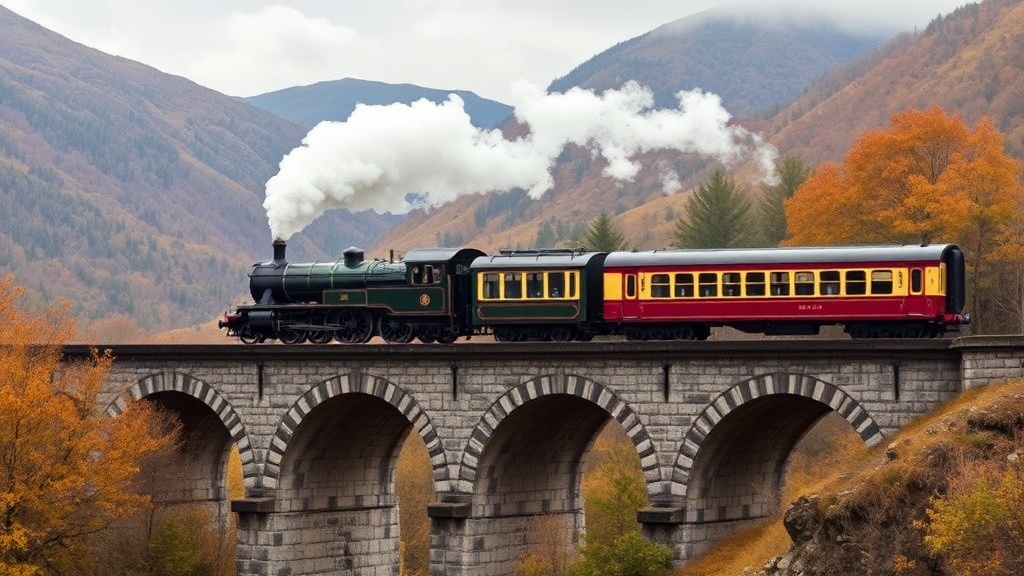
The Public Rides Behind Your Locomotive
For most heritage steam railroads, the whole point is carrying passengers. Families come for the excursion, couples come for the dinner train, and the experience of riding behind a working steam locomotive is what fills the seats and funds the operation. But the moment you invite the public aboard, you take on a serious responsibility for their safety — and an insurance exposure that has to be covered properly. Passenger liability is the coverage that stands behind that responsibility.
Steam Locomotive Insurance, a division of Contractors Choice Agency, focuses on the heritage rail sector, including the excursion and dinner-train operators whose business model depends on carrying riders. This article explains what passenger liability covers, the specific risks of moving people on heritage equipment, and the added considerations that come with dinner service.
What Passenger Liability Covers
Passenger liability responds to bodily injury claims brought by the people you carry. If an excursion rider or a dinner-train guest is injured while boarding, riding, or alighting from your train, this coverage stands behind the claim — covering both the cost of defending the matter and any damages owed. Because a single train can carry dozens or hundreds of passengers, and because the public is far less familiar with railroad equipment than your crew is, this is a foundational coverage for any operator that sells tickets.
It works alongside, but is distinct from, your general liability and railroad liability coverages. General liability handles members of the public on your premises; railroad liability handles operating risks like grade crossings and derailments; passenger liability is specifically about the people you are carrying. A complete program ties these together so a claim does not fall into a gap between them.
The Real Risks of Moving People
Heritage railroading involves equipment and conditions that modern travelers rarely encounter, and that unfamiliarity is itself a hazard. The most common passenger exposures include:
- Boarding and alighting. Steps can be steep, platforms may not be level with the car floor, and the gap between platform and train invites missteps. A large share of passenger injuries happen during boarding and getting off.
- Open vestibules and Dutch doors. Part of the charm of heritage cars is open-air access, but open vestibules, open windows, and Dutch doors create fall and reach-out hazards, especially for children.
- Movement of the train. Slack action, sudden stops, and the simple sway of vintage equipment can cause standing passengers to lose their balance. Passengers walking the aisle to a restroom or to a different car are particularly exposed.
- Crowds in motion. Loading and unloading a full train creates congestion, and crowds plus steps plus excitement is a recipe for trips and falls.
- Proximity to the locomotive. Guests want to see and photograph the engine. A hot, high-pressure machine with moving rods and the potential for escaping steam demands clear barriers, signage, and crew supervision near the locomotive.
Good risk management — crew positioned at every boarding point, clear safety briefings, well-maintained steps and handrails, controlled access to open platforms, and active supervision around the engine — does more than reduce claims. It is also what underwriters look for, and it directly shapes the coverage and terms available to you.
Dinner Trains Add Food and Liquor Exposure
A dinner train layers a restaurant on top of a railroad, and that brings additional exposures that excursion-only operators may not face. Serving food introduces the risk of foodborne-illness claims and the hazards of preparing and carrying hot food and drink aboard a moving train. Many dinner trains also serve alcohol, which introduces liquor liability — the exposure that arises from serving alcoholic beverages to a guest who is later involved in an incident. Operators that serve alcohol generally need liquor liability coverage, responsible-service training for staff, and clear policies on service limits. Your agent can help you determine what your specific dinner-train operation needs.
Special Events, Charters, and Photo Charters
Many operators run more than scheduled excursions. Holiday trains, theme events, private charters, and photographers' specials each carry their own twist on passenger exposure — larger crowds, costumed staff, night operations, or guests positioned trackside for photographs. Special events often bring additional certificate and additional-insured requirements from venues, sponsors, or municipalities. It is worth reviewing your event calendar with your agent each season so coverage keeps pace with what you are actually running.
Documentation, Waivers, and Certificates
Waivers and ticket-back language can play a role in managing passenger risk, but they are not a substitute for proper coverage, and their enforceability varies. Equally important is the certificate-of-insurance workflow: host railroads, station and venue owners, and event partners will frequently require proof of coverage and additional-insured status before you can run. Handling these promptly and correctly keeps your operation moving and your partners confident.
Protect the Experience You Sell
The ride behind a steam locomotive is what your guests remember and what keeps your railroad running. Passenger liability coverage protects that experience — and your operation — when something goes wrong. Whether you run a short tourist excursion or a full dinner-train service, talk to Steam Locomotive Insurance about getting a quote and building passenger coverage that fits how you carry your riders. We understand heritage steam, and we are here to help you keep your passengers safe and your trains rolling.